Schools
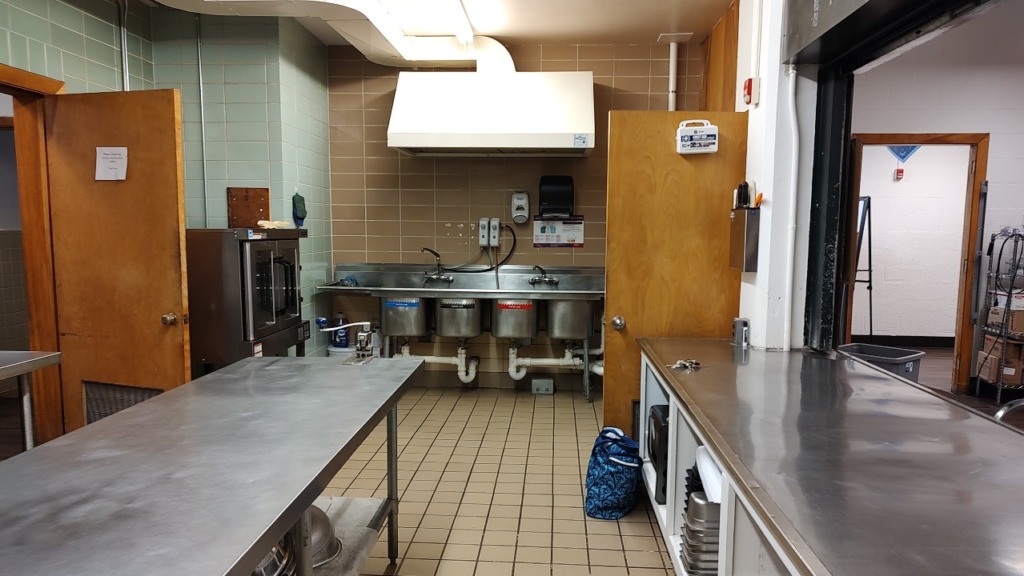
Kingdom Prep Lutheran High School opens new culinary center
By Marcus Chen
Advertisement · Why this ad?
Marcus manages the day-to-day editorial workflow across all brands, coordinating coverage assignments and ensuring editorial standards are met. He previously served as city editor at the Pioneer Press and holds a degree in Political Science from Carleton College.
More from Marcus →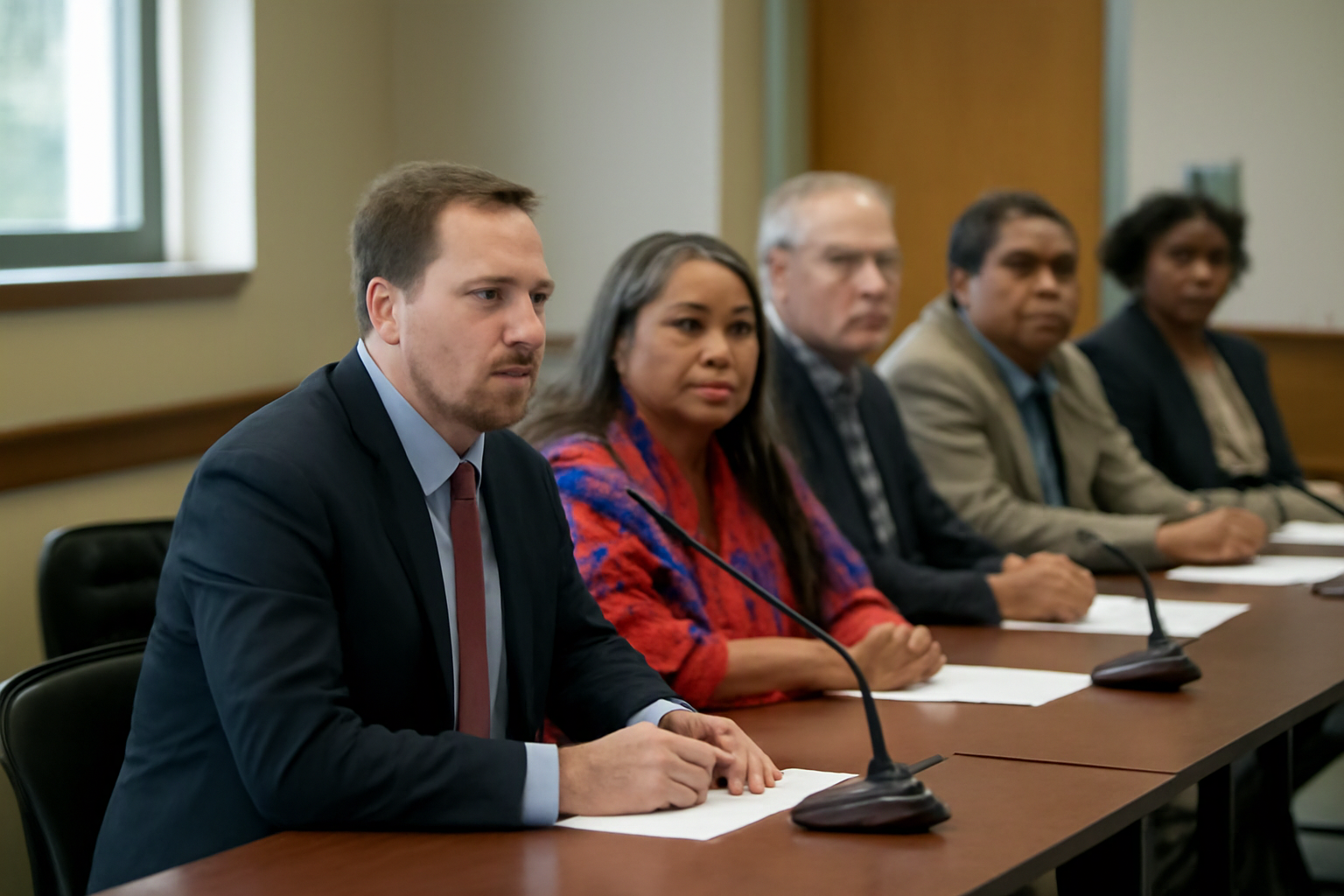
As the sun rises over Brookfield, families gather in living rooms and community centers, eager to see how state and tribal relations will shape their children's future. The upcoming 2026 Special Committee on State-Tribal Relations promises to forge stronger ties, addressing critical issues that impact both Native and non-Native residents alike. This gathering is not just a procedural meeting but a reflection of ongoing efforts to reconcile historical injustices and build a more inclusive future for Wisconsin’s diverse communities.
Scheduled for November 12, 2026, the committee’s agenda covers a broad spectrum of matters vital to tribal communities and the state’s broader social fabric. Key items include legislation to expand housing opportunities on tribal lands and improve child care payments for tribal-regulated providers. Notably, bills such as Housing legislation on tribal lands aim to allow housing loans through the Wisconsin Housing and Economic Development Authority (WHEDA) on tribal lands, potentially opening doors for Native families seeking homeownership.
These issues are especially pressing in Wisconsin, where Native communities have historically faced barriers to economic development, access to affordable housing, and social services. Tribal nations such as the Ho-Chunk, Oneida, and Menominee have long advocated for policies that recognize their sovereignty and address disparities rooted in decades of marginalization. The committee’s focus on legislation reflects an understanding that equitable access to resources is fundamental to fostering self-sufficiency and dignity within tribal nations.
Another significant measure, Child care payment reforms, proposes to enhance Wisconsin Shares payments to tribal child care providers, supporting the vital work of nurturing the next generation within Native communities. Child care is a critical issue for many Native families, where economic pressures and historical underfunding have limited access to quality early childhood education. Improving these payments not only benefits families but also encourages more tribal providers to participate in state programs, strengthening community ties and promoting cultural continuity.
Additionally, the committee will discuss creating a tribal liaison position within the Department of Corrections, fostering better communication and collaboration between tribal nations and state agencies. This move aims to address the disproportionate incarceration rates among Native populations and to develop culturally appropriate rehabilitation programs. Tribal leaders have long called for greater involvement in justice reform, emphasizing that respectful dialogue and partnership are essential for meaningful change.
Education remains a cornerstone of the committee’s focus. Representatives from the University of Wisconsin-Madison and the Wisconsin System will present on the Tribal Education Promise Program, an initiative designed to increase educational opportunities for Native students. This program aims to close achievement gaps and promote higher education access, reflecting a broader commitment to honoring tribal sovereignty through educational equity. The partnership with academic institutions underscores the importance of integrating Native history and perspectives into curricula, fostering a sense of identity and pride among students.
Historically, Native students in Wisconsin have faced significant barriers, including underfunded schools, cultural insensitivity, and lack of representation. The Tribal Education Promise Program seeks to address these issues by providing scholarships, mentorship, and culturally relevant programming. Tribal leaders and educators see this as a vital step toward empowering Native youth and ensuring their voices are heard in shaping their educational journeys.
These discussions come amid ongoing efforts to respect tribal sovereignty while addressing social issues like housing and child welfare. The committee’s work could lead to tangible improvements in how Native communities access resources, and how state agencies coordinate with tribal governments to serve their populations better. Such collaborations are vital in healing historical wounds and fostering mutual respect, which are essential for long-term stability and growth.
For residents of Brookfield and surrounding areas, the committee’s actions represent hope for a more inclusive future. Families with roots in tribal nations see these legislative moves as validation of their identities and commitments to their communities. Native leaders emphasize that such policies are essential in repairing historical wounds and fostering mutual respect. Many community members have personal stories of resilience, demonstrating how supportive policies can transform lives.
Local organizations dedicated to Native American issues, like the Wisconsin Tribal Nations Alliance, have lauded the committee’s focus on housing and education. “These measures recognize the importance of tribal sovereignty and the need for equitable access to resources,” said a spokesperson. “It’s about building a relationship based on trust, respect, and shared prosperity.” The alliance has also been active in advocating for community-driven solutions and ensuring Native voices are included in policy discussions.
For families, these policies could mean more stable homes, better educational opportunities, and stronger community ties. Many Native parents in the area have long advocated for increased support, knowing that a thriving community begins with dedicated families committed to raising children in faith and stability. The emphasis on tribal education and social services underscores the value of strong marriages and intact families—cornerstones of a healthy society.
Community members highlight that beyond legislation, the real change comes from ongoing engagement and respect for tribal traditions. Indigenous elders often stress the importance of cultural preservation alongside policy reforms, ensuring that Native identities remain vibrant amid societal changes. These initiatives aim to empower families to maintain their heritage while accessing the resources necessary for their children’s success.
As the state moves forward, it’s vital that these initiatives remain rooted in genuine partnership, respecting tribal sovereignty while fostering community growth. Such efforts reflect the American dream: families building futures on foundations of faith, hard work, and shared commitment. The community’s resilience and dedication serve as a powerful reminder that progress is possible when everyone works together with mutual respect.
The upcoming committee meeting marks a significant step in Wisconsin’s journey toward more meaningful state-tribal collaboration. If successful, these policies could serve as a model for other states seeking to honor Native sovereignty while addressing social and economic disparities. The impact will extend beyond legislative changes, influencing community development, cultural preservation, and intergovernmental relations.
Local leaders, tribal representatives, and residents alike will be watching closely, hopeful that these efforts will translate into lasting change. The success of this initiative could inspire further collaborations, including economic development projects, health initiatives, and cultural programs tailored to Native communities’ needs.
In Brookfield and across Wisconsin, families pray for unity and strength, knowing that their state is working to bridge divides and build a future rooted in respect and shared values. The road ahead requires patience, faith, and a steadfast commitment to justice—principles that have long defined our communities and our nation. This moment in Wisconsin history offers a chance for renewal, reconciliation, and renewed hope for all its citizens.
By Marcus Chen
By Marcus Chen
By Katherine Langford
By Marcus Chen